
Understanding the psychological effects of gambling on decision-making behavior
The Nature of Gambling and Decision-Making
Gambling is a complex activity that involves risk-taking and decision-making under uncertainty. It often attracts individuals seeking excitement, social interaction, or a way to cope with stress. The decisions made during gambling, especially when individuals engage with platforms like pin up, are not just based on pure mathematical probabilities but are deeply influenced by psychological factors. Understanding these influences can shed light on why some individuals may develop problematic gambling behaviors.
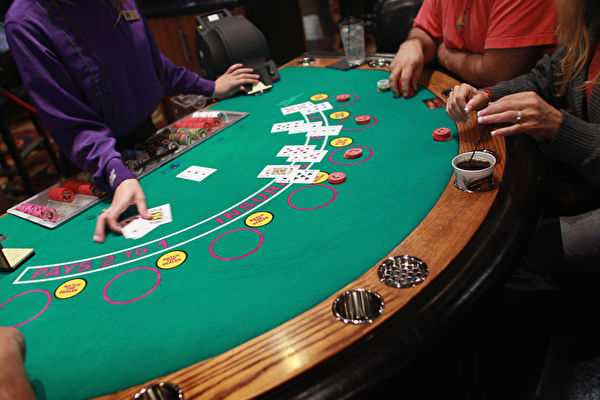
The thrill of the gamble often leads individuals to make impulsive decisions, driven by emotions rather than rational thought. This impulsivity can cloud judgment, making it challenging to assess risks realistically. As gamblers become engrossed in the experience, the line between logical decision-making and emotional responses begins to blur, impacting their overall behavior significantly.
The Role of Cognitive Biases in Gambling
Cognitive biases play a significant role in how individuals perceive gambling outcomes and make decisions. For example, the illusion of control can lead players to believe they can influence random outcomes, such as in games of chance. This misplaced belief can increase the likelihood of continued gambling, as individuals may feel empowered by their supposed ability to ‘control’ their fate.
Another common bias is the gambler’s fallacy, where individuals believe that past events influence future outcomes. For instance, a player may think that a losing streak means a win is imminent. These cognitive distortions can lead to poor decision-making and prolonged engagement in gambling, often resulting in negative financial and emotional consequences.
The Emotional Impact of Gambling
The emotional experiences associated with gambling can significantly affect decision-making behaviors. Winning can induce feelings of euphoria, reinforcing the desire to continue gambling. Conversely, losses can lead to frustration, desperation, and an urge to recoup losses through further gambling. This emotional rollercoaster can create a cycle of poor decisions, as individuals chase their losses rather than reassessing their strategies.
Moreover, the high stakes involved can lead to heightened anxiety and stress, which can impair cognitive functioning. When stressed, individuals are more likely to rely on heuristics or mental shortcuts instead of thorough analysis, leading to suboptimal choices. Understanding these emotional dynamics is crucial for recognizing the potential for adverse decision-making in gambling contexts.
The Social Influences on Gambling Decisions
The social environment in which gambling takes place also plays a vital role in decision-making behavior. Peer pressure and social norms can significantly impact an individual’s choice to gamble and their approach to gambling activities. For example, individuals may feel compelled to gamble in social settings, influenced by friends or family, regardless of their personal financial situation or understanding of the risks involved.
Additionally, social networks can perpetuate myths and misconceptions about gambling. Positive reinforcement from peers who share success stories can distort reality and encourage further gambling, regardless of the actual odds. This social dimension highlights the importance of creating awareness around responsible gambling practices and encouraging individuals to make informed choices.

Conclusion and Further Exploration
In conclusion, understanding the psychological effects of gambling on decision-making behavior involves considering the complex interplay of cognitive biases, emotional responses, and social influences. These factors not only shape how individuals approach gambling but also determine their long-term relationship with it. By gaining insight into these psychological aspects, individuals and professionals can better address gambling-related issues and promote healthier decision-making practices.
For those seeking more information on this topic, our website offers a wealth of resources and articles dedicated to understanding gambling’s psychological dimensions. We invite you to explore further to enhance your understanding and find support for responsible gambling behaviors.